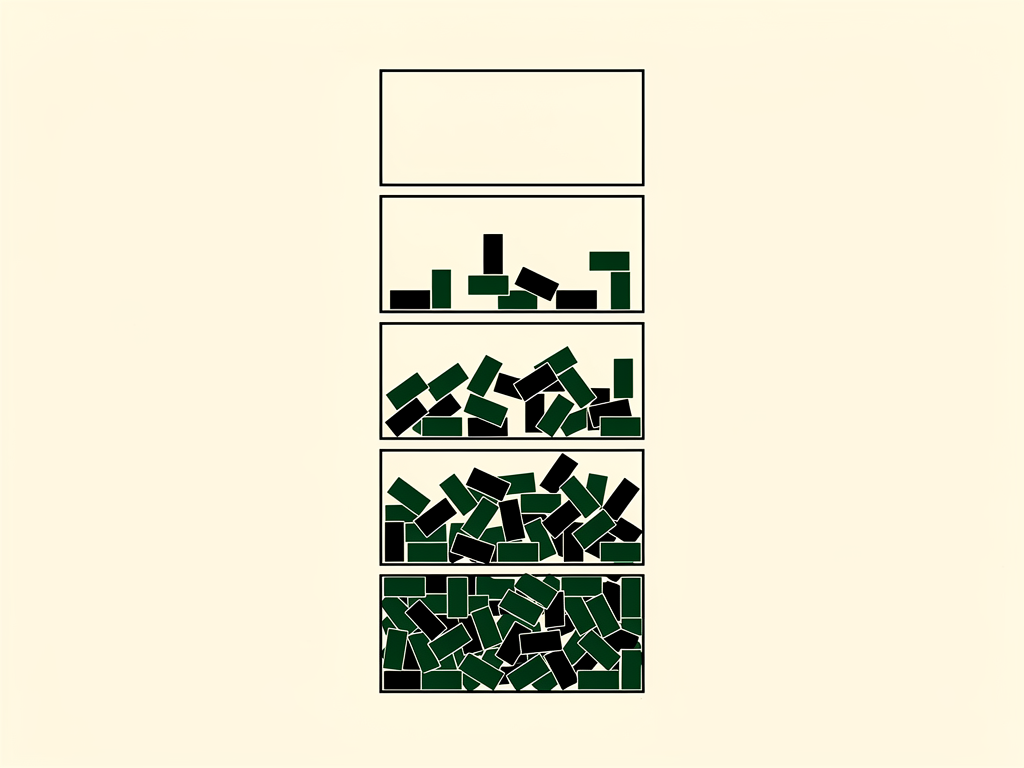
The 90-day window is already closing
The exhibitor signed their booth contract 90 days ago. Your competitor reached them 85 days ago. You found the list on the show website last week. In the trade show supply chain, the pipeline is the exhibitor list — and the window closes fast.
B2B suppliers — booth builders, AV vendors, logistics firms, staffing agencies, print and promotional suppliers — consistently arrive late to the procurement cycle that trade show exhibitors run every time they commit to a show. The exhibitor list is public. The show dates are public. The problem is process: most supplier sales teams have no way to detect when a confirmed exhibitor enters a high-spend procurement window and no procedure to act within the first two weeks of that window, when budget decisions are still being made.
The 90-day pre-show window is narrow. By the time an exhibitor is six weeks out from show open, most vendor decisions are already made. The teams who win supplier contracts are not necessarily better — they are earlier.
Why booth commitment is stronger intent than most data
Generic intent data is anonymous and probabilistic. A company visits your category page three times in a week — that might indicate buying interest, or it might indicate a competitor doing research, a student writing a paper, or a journalist. The signal is weak because it requires no commitment.
A signed booth contract is different. When a company commits to exhibiting at a trade show, they have:
- Cleared internal budget approval for booth space, which at major trade shows runs from $15,000 to well over $100,000 for the floor footprint alone
- Allocated staff headcount for show preparation and floor coverage
- Made a public, contractual declaration of their presence in a specific vertical market
- Started a procurement cycle for everything that turns floor space into a functioning exhibit: build, AV, logistics, staffing, graphics, giveaways, and lead capture
That commitment is self-declared, timestamped, and observable. It is not an inference — it is a fact. Because ExpoGage structures exhibitor data across more than 20,000 trade shows in 138 countries, that fact becomes a repeatable trigger rather than a one-off discovery.
For B2B suppliers, this matters operationally. The question is not which companies might need your services. The question is which companies have just entered a high-spend, time-compressed procurement cycle. Exhibitor lists answer that question with precision that ad retargeting and anonymous web behavior cannot match. If you sell to companies that exhibit, the exhibitor list is your intent data.
How the pre-show contracting cycle works
The typical pre-show procurement cycle for a confirmed exhibitor follows this timeline:
- 90–120 days out: Booth space contract signed with the show organizer. Internal project lead assigned. Initial budget envelope confirmed. The procurement window opens — and supplier outreach has the highest probability of reaching a decision-maker before they commit to a vendor.
- 60–90 days out: Booth design and build vendor selected. AV and technology requirements scoped. Logistics and freight vendor engaged. For most categories of trade show supply, this is the last viable window for first contact.
- 30–60 days out: Staffing finalized. Promotional materials in production. Lead capture systems configured. Most supplier decisions are locked. First-contact outreach in this window is largely ineffective — you are competing for changes or asking someone to switch vendors with insufficient time.
- 0–30 days out: Execution mode. No new vendor relationships start. Budget is deployed.
The supplier opportunity is front-loaded. Budget conversations happen in the first 30 days of the 90-day window. Suppliers who reach confirmed exhibitors in days 1–30 after contract signing compete in a fundamentally different environment than suppliers who reach the same companies in days 60–90.
The moment most teams miss
At every major trade show, the exhibitor list drops — six hundred companies, sometimes a thousand — and someone files it in a shared drive folder and moves on. That list actually represents six hundred organizations that each raised internal budget approval, committed staff time, negotiated a floor contract, and staked a public claim on a vertical — all at the same time. That is a market census. ExpoGage is built for teams who knew that and needed a way to act on it.
The gap is not awareness — it is process. Most supplier sales teams encounter exhibitor lists reactively: someone on the team downloads the list from a show website, formats it into a spreadsheet, and routes it to an SDR. That sequence takes days or weeks. By then, competitors who monitor structured exhibitor data as a standing workflow have already completed first-contact sequences with the highest-fit accounts.
Reactive list-checking is not a sales strategy. It is a delayed response to a signal your competitors received first. The teams who consistently win the 90-day window are not working harder — they have replaced the manual discovery step with a monitored trigger.
For details on why exhibitor data goes unworked despite its signal quality, see why B2B teams leave trade show data unworked — and what fixes it.
How to build a show-timed outreach cadence using exhibitor intelligence
Operationalizing the 90-day window requires four sequential steps, each depending on structured, timely exhibitor data — not a downloaded PDF, but a queryable dataset tied to show dates and ICP criteria.
- Step 1 — Identify shows with high ICP exhibitor density. Not every trade show is worth targeting. The shows that matter are the ones where your ideal customer profile is heavily represented as exhibitors. If you sell booth build services to mid-market medical device companies, the shows where that segment clusters are your primary targets. Use exhibitor overlap data across shows to rank target events by ICP concentration before committing outreach resources. See how exhibitor overlap data drives show selection.
- Step 2 — Monitor exhibitor list publication as the trigger event. The clock starts when the exhibitor list goes live, not when you find it. Structured trade show intelligence makes this monitorable: you know which shows are approaching and when their exhibitor lists are expected to publish based on historical patterns. Discovery becomes a scheduled workflow instead of a passive activity.
- Step 3 — Score confirmed exhibitors against ICP criteria. Not every company on a six-hundred-name list is a viable target. Filter by company size, vertical, booth size tier, and participation history. First-time exhibitors have different procurement dynamics than companies in their twelfth consecutive year. ICP scoring converts a raw roster into a prioritized target list.
- Step 4 — Sequence outreach in the first two weeks of the window. Messaging anchored to the exhibitor's upcoming show commitment outperforms generic outreach because it is timely and relevant. You are not cold-calling — you are reaching someone who has just committed budget to a category that overlaps with what you sell, at the moment when vendor selection is happening. The first two weeks are when that message lands in a live procurement context. After week four, you are increasingly interrupting execution rather than informing decision-making.
Applied across multiple shows simultaneously, this framework compounds. A structured global dataset covering show dates, exhibitor lists, and ICP-matched accounts across 20,000-plus events means the same four-step process runs in parallel across your target verticals without your team manually checking dozens of show websites. For a detailed SDR workflow that translates exhibitor lists into buying committee outreach, see the exhibitor list to buying committee SDR workflow.
Timing is the product
The intelligence advantage for B2B suppliers is knowing which companies have just entered a high-spend, time-compressed procurement cycle — and reaching them before the window compresses further. Every booth builder, AV vendor, and logistics firm knows that trade show exhibitors buy services. The advantage is reaching them at the right moment.
The exhibitor list is the signal. The show date is the deadline. Most supplier sales teams operate inside that market accidentally, arriving when they happen to encounter a list. The ones who build timing infrastructure around structured exhibitor data operate deliberately — and they close the deals that everyone else arrives too late to compete for.
Give us your ICP and a show. We'll return the 15–30 accounts that match — scored, with buying committee contacts identified. No booth required. [Start with one event →]